

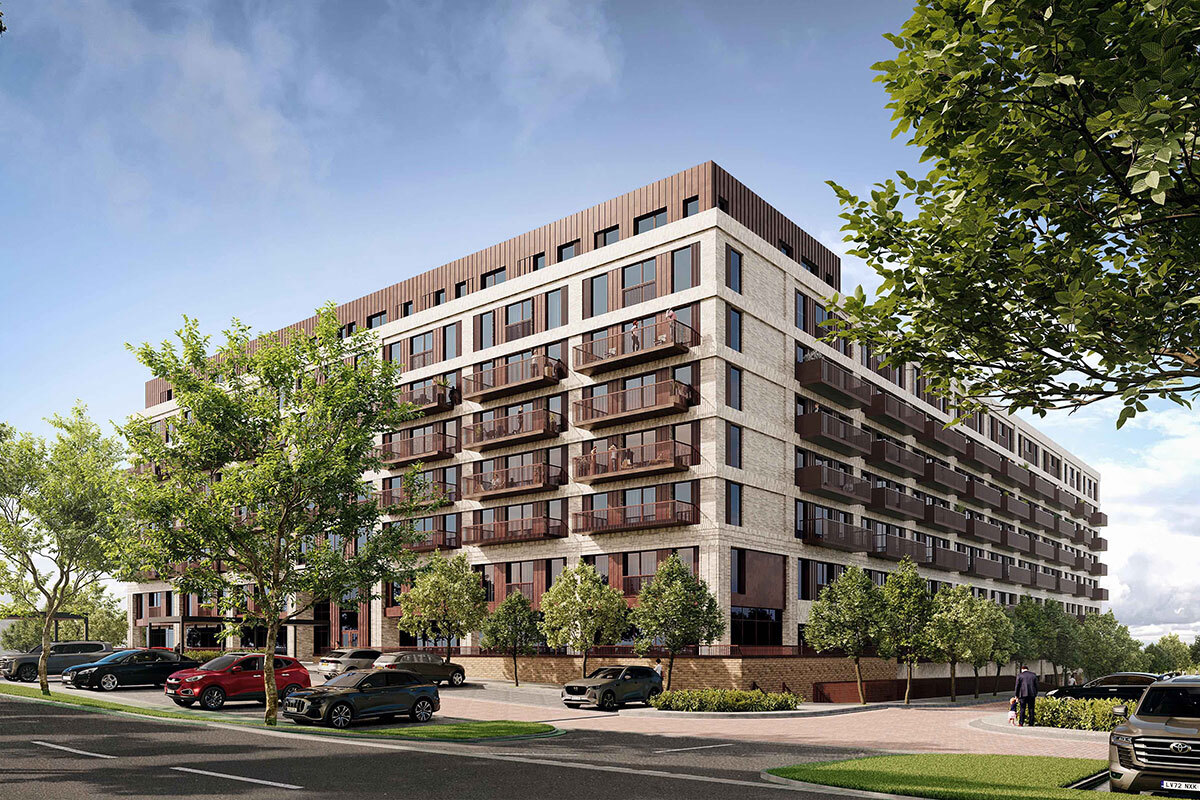
The Housing Gap Is Real — And Growing
The math is simple. The supply is not there.
Freddie Mac estimates the U.S. is short more than 3 million housing units. The National Low Income Housing Coalition reports a shortage of over 7 million affordable rental homes for extremely low-income renters.
Prices rose fast between 2020 and 2023. Mortgage rates doubled compared to recent lows. Entry-level homes are harder to find. Rents climbed in many Sun Belt markets by more than 20% during peak years.
That leaves a large group stuck in the middle.
Teachers. Nurses. Police officers. Logistics workers. Young families. They earn too much for subsidized housing. They cannot afford to buy.
This is the workforce housing gap.
Why Traditional Development Misses the Middle
Developers follow returns. Capital follows predictability.
Luxury units offer higher rents per square foot. That attracts equity. That shapes supply.
But when too much supply targets the top tier, the middle gets squeezed.
David Rocker once described a project review where three high-end communities were approved within a few miles of a major employment center. “The employers nearby told us they couldn’t retain mid-level staff because housing costs were pushing workers 40 minutes out,” he said. “The demand was obvious. The capital stack just wasn’t pointed in that direction.”
The issue is not demand. It is structure.
What Build-to-Rent Actually Solves
Build-to-Rent, or BTR, means single-family homes or townhomes built specifically to be rented.
They are not scattered resale houses. They are purpose-built rental communities.
They offer:
- Private yards
- More square footage than most apartments
- Shared amenities
- Professional management
For many families, BTR feels closer to homeownership without the down payment.
BTR has grown fast. The National Rental Home Council reports that more than 90,000 BTR homes were completed in 2023, with tens of thousands more underway.
This growth is not random. It reflects unmet demand from renters who want space but cannot buy.
Workforce Housing Needs Smarter Capital
Workforce housing typically serves households earning 60% to 120% of area median income.
These households often spend more than 30% of income on housing. That threshold defines cost burden.
Projects targeting this group must balance affordability and return.
That requires disciplined capital design.
In one example, Rocker worked on a development where land cost was the main barrier. The team negotiated with a municipality to adjust zoning and reduce parking requirements. In exchange, a portion of units carried capped rents tied to local income bands. “We didn’t sacrifice the project,” he said. “We reshaped the inputs. That changed the output.”
Lower land cost allowed sustainable rent levels without collapsing investor returns.
Structure matters more than slogans.
The Capital Stack Is the Engine
Blend Public and Private Tools
Workforce projects often require layered financing.
Options include:
- Private equity
- Conventional debt
- Tax abatements
- Infrastructure support
- Local incentives
Each tool reduces pressure on rent.
When the upfront cost drops, long-term affordability improves.
Standardize Construction
Repeatable floor plans reduce cost variance.
Phased development reduces risk exposure.
Cost discipline is not glamorous. It protects the model.
Build Near Employment Centers
Location is not just about desirability. It affects turnover.
When renters live near jobs, commute time shrinks. Stability increases.
Lower turnover reduces marketing and vacancy cost.
Retention protects yield.
Why Investors Should Pay Attention
Workforce renters tend to prioritize stability.
Luxury demand can swing with economic cycles. Moderate-income renters focus on consistency.
Urban Institute research shows that moderate-income rental communities often see steadier occupancy during downturns than high-end urban projects.
Stable occupancy supports stable cash flow.
Cash flow supports long-term investors.
This is not charity. It is risk-adjusted thinking.
ESG That Is Measurable
Workforce housing aligns with practical ESG goals.
It reduces commute distances. It supports local employment. It improves community stability.
But impact must be measurable.
Track:
- Rent-to-income ratios
- Turnover rates
- Access to transportation
- Maintenance response times
If impact cannot be measured, it cannot be managed.
Practical ESG creates alignment between community benefit and financial durability.
What Developers Can Do Now
Here are ten actions developers can take within 12 months:
- Audit local income data before site selection.
- Identify land near growing job hubs.
- Meet early with local planning departments.
- Explore zoning adjustments that allow higher density.
- Use standardized unit designs to control cost.
- Build in phases to manage capital exposure.
- Model rent caps alongside realistic return targets.
- Partner with local employers for demand insight.
- Publish operating metrics annually.
- Revisit the capital stack if costs drift.
Execution beats good intentions.
What Policymakers Should Focus On
Time is cost.
Permitting delays raise carrying costs. Carrying costs push rents higher.
Cities can:
- Speed up approvals
- Reduce redundant reviews
- Offer density bonuses
- Adjust parking requirements
Clear rules reduce uncertainty. Reduced uncertainty attracts capital.
When capital sees predictable timelines, it engages.
Why This Moment Matters
Demographics support demand.
Millennials remain the largest adult generation. Many are entering family formation years. Homeownership barriers remain high.
At the same time, population growth in Sun Belt markets continues.
Demand is not the problem.
Alignment is.
Build-to-Rent and workforce housing are not silver bullets. They are practical tools.
When structured carefully, they serve families and investors at the same time.
Final Takeaway
The housing crisis is structural.
Supply lags. Costs rise. Middle-income households absorb the strain.
Build-to-Rent and workforce housing offer a path forward when backed by disciplined capital and clear execution.
Lower land cost. Standardize design. Measure impact. Protect cash flow.
That is not theory. That is math.
The opportunity sits where demand is steady and supply is thin.
Smart capital sees that.
