

South Korea has one of the most advanced and structured legal systems in Asia. The country’s legal framework is influenced by civil law traditions, particularly from Germany and Japan, while also incorporating elements that reflect Korean culture, democratic governance, and modern global standards. 마약전문변호사 regulate everything from government authority and individual rights to business operations and criminal activities. Understanding these laws helps explain how the country maintains social order, economic development, and democratic stability.
The Foundation of Korean Law: The Constitution
At the core of South Korea’s legal system is the Constitution of the Republic of Korea. The constitution was first established in 1948 when the Republic of Korea was founded. However, it has been amended several times, with the most significant revision taking place in 1987, which strengthened democratic principles and civil rights.
The constitution acts as the highest law in the country, meaning all other laws must comply with its principles. It outlines the structure of government, defines citizens’ rights and duties, and establishes the separation of powers among the executive, legislative, and judicial branches.
One of the key features of the Korean constitution is its strong protection of fundamental rights. These include freedom of speech, religion, press, assembly, and the right to a fair trial. Citizens also have protections against unlawful arrest and discrimination. The constitution reflects South Korea’s transition from authoritarian rule to a democratic society.
Structure of the Korean Legal System
South Korea operates under a civil law system. Unlike common law countries, where judicial decisions create legal precedents, civil law countries rely heavily on written statutes and codes.
The legal structure in South Korea is divided into several major categories:
- Constitutional law
- Civil law
- Criminal law
- Administrative law
- Commercial law
- Labor law
Each area governs different aspects of society, ensuring that the country functions smoothly and fairly.
Legislative Branch and Lawmaking
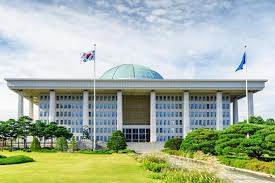
The National Assembly is responsible for creating laws in South Korea. It is a unicameral legislative body consisting of elected representatives who serve four-year terms. Members of the National Assembly propose bills, debate legislation, and vote on new laws.
Once a bill is approved by the National Assembly, it is sent to the president for approval. If the president signs the bill, it becomes law. The president also has veto power, although the National Assembly can override a veto with sufficient support.
This system ensures that laws are created through democratic processes and reflect the will of the people.
Civil Law in South Korea
Civil law in South Korea deals with disputes between individuals or organizations. It includes matters such as contracts, property ownership, family law, and inheritance.
The Korean Civil Code provides detailed rules governing these areas. For example, it regulates how contracts are formed and enforced. If one party fails to fulfill a contractual obligation, the injured party may file a lawsuit seeking compensation or enforcement.
Family law is also part of the civil code. It governs marriage, divorce, adoption, and child custody. In recent decades, South Korea has made significant reforms to ensure greater gender equality within family law. Historically, traditional Confucian values strongly influenced family structures, but modern legal reforms have emphasized fairness and individual rights.
Property rights are also clearly protected under Korean civil law. Individuals and businesses have the legal right to own property, transfer ownership, and seek legal remedies if their rights are violated.
Criminal Law and the Justice System
Criminal law in South Korea focuses on offenses against society, such as theft, assault, fraud, and homicide. The Korean Criminal Code defines criminal acts and establishes penalties.
Punishments may include fines, probation, imprisonment, or, in severe cases, life imprisonment. South Korea technically still has the death penalty in law, but executions have not been carried out since 1997, and the country is considered a de facto abolitionist state.
The criminal justice process begins with investigation by police or prosecutors. South Korea has a unique system in which prosecutors hold significant authority, including the power to direct investigations and file charges.
Once charges are filed, the case proceeds to trial. Defendants have the right to legal representation and a fair trial. Courts evaluate evidence and determine guilt or innocence based on the law.
In recent years, South Korea has introduced reforms to improve transparency and protect defendants’ rights. For example, some criminal trials now include jury participation, allowing citizens to take part in the justice process.
Administrative Law and Government Oversight
Administrative law governs the actions of government agencies and ensures that public authorities operate within legal boundaries.
Citizens and businesses can challenge administrative decisions if they believe government officials acted unfairly or unlawfully. For instance, if a business license is denied or revoked without proper justification, the affected party can file an administrative lawsuit.
Administrative courts review these cases and determine whether government actions complied with the law. This system helps maintain accountability and protects citizens from abuse of power.
Commercial and Business Laws
South Korea’s strong economy is supported by a detailed framework of commercial laws. These laws regulate business operations, corporate governance, financial transactions, and trade practices.
The Korean Commercial Code provides rules for forming corporations, managing companies, and conducting business transactions. It also outlines responsibilities for company directors and shareholders.
South Korea is home to large conglomerates known as “chaebols,” such as Samsung, Hyundai, and LG. Due to their influence in the economy, the government has implemented regulations to ensure fair competition and transparency in corporate governance.
Competition laws also exist to prevent monopolies and protect consumers. The Fair Trade Commission monitors business practices and investigates companies suspected of engaging in unfair trade or anti-competitive behavior.
Labor Laws and Worker Protections
Labor 마약사건변호사 are designed to protect workers and promote fair employment practices.
The Labor Standards Act establishes rules regarding wages, working hours, workplace safety, and employee rights. For example, employees are entitled to minimum wages, overtime pay, and certain protections against unfair dismissal.
South Korea has also strengthened laws to address workplace harassment and discrimination. Companies are required to create safe and respectful working environments.
Another important aspect of Korean labor law is the protection of collective bargaining. Workers have the right to form labor unions and negotiate with employers over wages and working conditions.
Despite these legal protections, South Korea has faced ongoing debates about work culture and long working hours. The government has introduced reforms aimed at improving work-life balance and reducing excessive overtime.
The Korean Court System
The Korean judiciary plays a crucial role in interpreting laws and resolving disputes. The court system is structured in several levels.
At the top is the Supreme Court, which is the highest judicial authority in the country. It reviews appeals from lower courts and ensures consistent interpretation of laws.
Below the Supreme Court are High Courts, which handle appeals from district courts. District Courts serve as the primary trial courts where most civil and criminal cases begin.
South Korea also has specialized courts, including family courts, administrative courts, and patent courts. These courts focus on specific legal areas and provide expertise in handling complex cases.
Another important institution is the Constitutional Court. This court reviews whether laws or government actions violate the constitution. It also has the authority to impeach public officials, including the president, if constitutional violations occur.
Modern Legal Reforms in South Korea
South Korea’s legal system continues to evolve as the country adapts to social, economic, and technological changes.
Recent reforms have addressed issues such as digital privacy, cybercrime, and data protection. With the growth of the internet and digital services, laws now regulate how personal data is collected, stored, and used.
Environmental laws have also become more important. South Korea has introduced regulations to address pollution, climate change, and sustainable development.
Additionally, the government has made efforts to improve transparency in politics and reduce corruption. Anti-corruption laws hold public officials accountable and promote ethical governance.
Conclusion
Korean laws form a comprehensive legal framework that supports democracy, economic growth, and social stability. Rooted in civil law traditions but shaped by modern reforms, the legal system in South Korea protects individual rights while ensuring accountability in government and business.
From constitutional protections and civil disputes to criminal justice and commercial regulation, Korean law plays a vital role in shaping the nation’s society. As South Korea continues to develop and engage with the global community, its legal system will likely keep evolving to address new challenges and opportunities.