

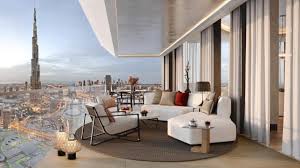
Dubai’s Housing Market Is Changing
Dubai built its reputation on ambition. Tall towers. Luxury hotels. Expensive penthouses. The city became known for bold architecture and high-end living.
That image still exists. But the market is changing.
Today’s buyers ask different questions. They care about comfort, efficiency, maintenance costs, and daily usability. They want quality without unnecessary excess.
This shift is creating a new category in the market: accessible luxury.
Property Finder data shows that mid-market residential demand in Dubai has increased by more than 30% over the past few years. Buyers want homes that feel premium but remain practical.
That demand is reshaping development across the city.
What Accessible Luxury Really Means
It Is About Value, Not Excess
Accessible luxury is not cheap housing with fancy branding.
It is thoughtful design at a more realistic price point.
Good lighting. Efficient layouts. Better airflow. Durable materials.
These features improve daily life without driving costs into extreme territory.
Nitin Bhatnagar Dubai once explained it during a design review: “People do not remember how large a hallway was. They remember whether the apartment felt calm, functional, and easy to live in.”
That mindset captures the shift perfectly.
Comfort Is Becoming the Real Status Symbol
Luxury used to mean size.
Now it means usability.
A quiet apartment. Cooler rooms during summer. Lower maintenance headaches. Better storage. Functional kitchens.
These details shape long-term satisfaction.
Why Buyers Are Thinking Differently
The Cost of Living Shapes Decisions
Buyers now look beyond purchase price.
They ask:
- How expensive is cooling?
- How much maintenance is required?
- How durable are the materials?
These questions matter because operating costs continue long after the transaction ends.
The UAE’s climate increases the importance of efficiency. DEWA reports that cooling systems can account for over 60% of residential electricity use.
Efficient homes save money over time.
More Long-Term Residents
Dubai now attracts more long-term residents and families instead of only short-term investors.
This changes priorities.
People want homes that support everyday routines, not just impressive photos.
Design Plays a Bigger Role Than Ever
Smarter Layouts Create Better Living
Good design reduces waste.
Unused corridors. Oversized entryways. Poor room flow. These features increase cost without improving experience.
Modern layouts focus on usable space.
One designer shared a small but important example: “We moved the dining area closer to the kitchen and suddenly the apartment felt twice as functional.”
Small changes create major improvements.
Natural Light Changes Everything
Natural light improves mood and reduces electricity use.
Buildings designed to maximize daylight can reduce lighting energy use by up to 25%, according to efficiency studies.
Light also changes perception. Bright spaces feel larger and more welcoming.
Materials Matter More Than Flashy Features
Durability Is Becoming Luxury
Cheap materials age quickly.
Scratched surfaces, weak fixtures, and constant repairs frustrate homeowners.
Accessible luxury focuses on materials that last.
The UAE Green Building Council estimates that high-quality materials can reduce long-term maintenance costs by up to 20%.
Durability improves value over time.
Local Materials Improve Efficiency
Locally sourced materials reduce transportation costs and delays.
They also lower environmental impact.
This supports both affordability and sustainability.
Technology Is Supporting Smarter Living
Simple Systems Work Best
Buyers want technology that feels useful, not overwhelming.
Smart cooling controls. Efficient lighting systems. Easy building access.
The best systems work quietly in the background.
One property manager explained it clearly: “Residents never praise complicated systems. They praise systems that never create problems.”
That simplicity matters.
Energy Monitoring Improves Awareness
Homes with visible energy tracking often reduce consumption.
Studies show that real-time usage tracking can lower household energy use by 5–15%.
Awareness changes behavior.
Sustainability and Accessible Luxury Are Connected
Efficiency Reduces Long-Term Costs
Sustainable buildings often cost less to operate.
Efficient cooling, better insulation, and water-saving systems reduce monthly expenses.
This makes sustainable living more practical for more people.
Smarter Design Reduces Waste
Better planning reduces unnecessary construction and material use.
This improves both cost efficiency and environmental performance.
Sustainability works best when it feels practical.
Challenges Developers Still Face
Short-Term Thinking
Some developers still prioritize quick sales over long-term performance.
That mindset creates buildings that look good initially but age poorly.
The market is becoming less forgiving of those mistakes.
Balancing Cost and Quality
Efficient systems and durable materials cost more upfront.
Developers must balance affordability with performance.
Strong planning becomes critical.
Actionable Steps for Developers
1. Focus on Everyday Experience
Design around how people actually live.
2. Reduce Wasted Space
Better layouts improve usability without increasing size.
3. Invest in Durable Materials
Long-term value matters more than short-term savings.
4. Improve Cooling Efficiency
Cooling drives operating costs in Dubai.
5. Simplify Technology
Useful systems outperform complicated ones.
Actionable Steps for Buyers
Ask Better Questions
Do not focus only on appearance.
Ask about:
- Utility costs
- Cooling performance
- Maintenance needs
- Material durability
- Natural light
Think Beyond the First Impression
A beautiful lobby matters less than comfortable daily living.
Focus on how the home functions over time.
What the Future Looks Like
Dubai’s housing market is becoming smarter.
The next generation of projects will focus less on excess and more on efficiency, comfort, and usability.
Accessible luxury will continue growing because it matches how people actually want to live.
The market is shifting from status-driven design toward experience-driven design.
That change is likely permanent.
Final Thoughts
Accessible luxury is not about removing quality. It is about removing waste.
Better layouts. Better materials. Better efficiency. Better comfort.
These factors improve daily life without requiring extreme pricing.
Dubai’s future housing market will not be defined only by tall towers or expensive finishes.
It will be defined by how well homes actually work for the people living inside them.