

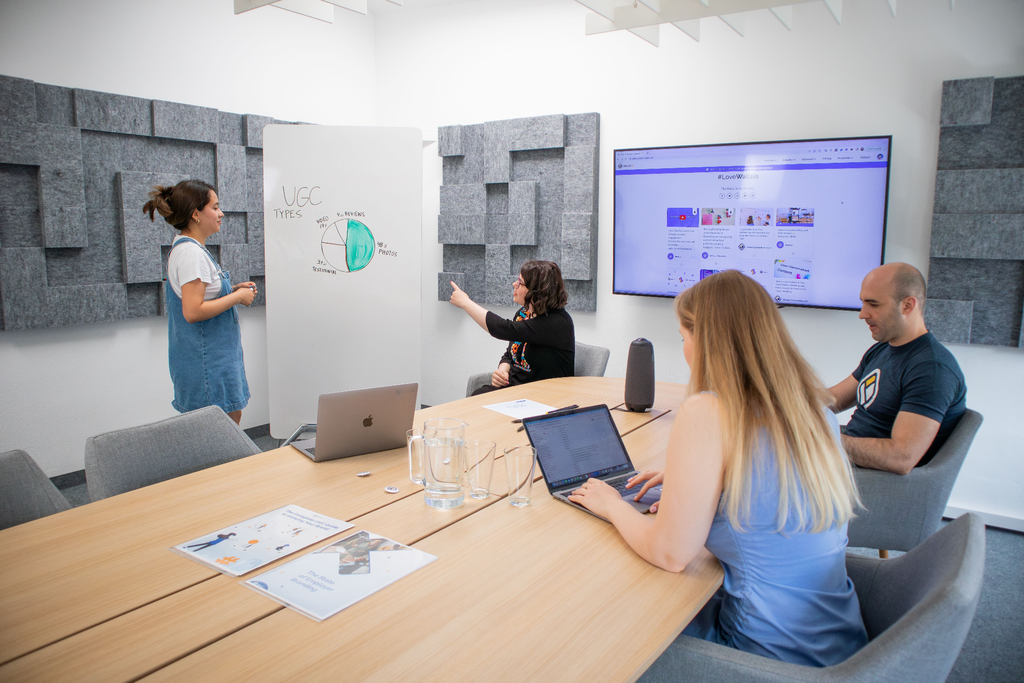
Arlington businesses operate in a distinctive market shaped by neighborhood communities, major entertainment venues, university activity and competition throughout Dallas-Fort Worth. In 2027, social media success will increasingly depend on meaningful local relationships rather than follower counts or viral content alone. Working with an Arlington Social Media Company can help brands develop community-driven campaigns that reflect customer interests, regional culture and authentic business experiences. From restaurants near the Entertainment District to professional services serving surrounding suburbs, organizations need content that encourages participation and builds trust. The strongest strategies combine local storytelling, audience engagement and measurable business outcomes.
1. Build Content Around Arlington’s Distinct Community Identities
Community-driven marketing begins with understanding how different audiences experience Arlington.
Residents near established neighborhoods may have different interests from university students, entertainment visitors or families relocating to surrounding communities.
Businesses should identify these distinctions through customer conversations, social media interactions and local market research.
A restaurant might highlight neighborhood dining traditions, while a home services provider could address seasonal maintenance concerns relevant to North Texas homeowners.
Content should reflect genuine experiences rather than simply inserting local landmarks into promotional messages.
Featuring employees, customer stories and community partnerships can make brands more recognizable.
Organizations should also maintain consistent messaging across platforms while adapting individual posts to specific audience interests.
This approach helps businesses establish local relevance without relying on repetitive advertising.
2. Encourage Community Participation Through Collaborative Content
Social media engagement becomes more meaningful when audiences contribute to conversations instead of passively consuming promotional material.
Arlington businesses can collaborate with local organizations, independent retailers and community initiatives to create content reflecting shared interests.
For example, a fitness studio could partner with a nearby wellness business to publish educational videos addressing common customer questions.
Restaurants might feature local suppliers or participate in community discussions about neighborhood dining experiences.
Customer-generated content can also strengthen credibility when businesses obtain appropriate permission before sharing photographs or testimonials.
Interactive polls, questions and event discussions provide additional opportunities for participation.
However, engagement tactics should remain relevant to the brand rather than encouraging artificial interactions.
Collaborative content helps organizations develop relationships that extend beyond individual social media campaigns.
3. Connect Community Engagement With Measurable Business Growth
Building an active online community provides limited commercial value when businesses cannot understand how engagement contributes to customer relationships.
According to Matt Bowman, President at Thrive Internet Marketing Agency, an effective digital marketing approach should connect audience engagement, customer experience and measurable business objectives. This strategic perspective encourages businesses to evaluate meaningful interactions rather than treating social media popularity as the primary indicator of success.
Arlington organizations can apply this principle by defining outcomes for different content categories.
Educational posts might encourage website visits, while community announcements could support event registrations or customer inquiries.
Businesses should track qualified conversations, referral traffic and customer acquisition alongside engagement metrics.
Connecting social activity with business outcomes helps marketers identify which community initiatives deserve continued investment.
4. Adapt Community Storytelling Across Different Social Platforms
Each social platform supports different audience behaviors, making identical content distribution less effective.
Instagram provides opportunities for visual storytelling, customer experiences and short-form educational content.
TikTok can highlight authentic demonstrations, employee personalities and relatable local experiences.
Facebook remains useful for certain neighborhood discussions, community announcements and customer interactions.
LinkedIn supports professional networking, industry commentary and business partnerships.
Rather than creating unrelated campaigns for every channel, businesses can develop one central community story and adapt its presentation.
For example, a local business partnership could become an Instagram Reel, a TikTok demonstration and a LinkedIn discussion about collaboration.
Platform-specific adaptation improves relevance while reducing unnecessary production demands.
5. Use Social Listening to Identify Emerging Local Customer Needs
Community engagement provides valuable information about customer expectations when businesses listen carefully.
Comments, direct messages and recurring questions can reveal service gaps, purchasing concerns and emerging neighborhood interests.
Arlington businesses should organize feedback into practical categories, including pricing questions, service availability and customer experience issues.
Social listening can also identify conversations about seasonal events or regional developments affecting demand.
However, businesses should avoid interpreting isolated complaints as representative of entire audiences.
Combining social feedback with customer service records and sales information produces more reliable insights.
These findings can inform future content, service improvements and advertising messages.
Listening consistently helps organizations respond to actual community needs rather than relying exclusively on assumptions.
6. Measure Community Relationships Beyond Likes and Followers
Traditional engagement metrics provide useful context but rarely explain the full value of local social media activity.
Businesses should evaluate repeat interactions, relevant conversations, customer referrals and participation in community initiatives.
Website analytics and customer relationship management systems can help connect social media interactions with subsequent inquiries or purchases.
Organizations should also review which content attracts local audiences rather than unrelated engagement from distant users.
Regular reporting should distinguish brand awareness objectives from direct customer acquisition goals.
Qualitative feedback matters because meaningful relationships may develop before measurable transactions occur.
Combining engagement data with customer outcomes creates a more complete understanding of community-driven marketing performance.
Frequently Asked Questions
1. How can Arlington businesses attract local followers without running giveaways?
Publish relevant neighborhood content, collaborate with legitimate community partners and participate in conversations that reflect customer interests.
2. Should businesses promote every major Arlington event on social media?
No. Event-related content should connect naturally with the brand’s audience, services or genuine community involvement.
3. Can small businesses compete with regional brands through community content?
Yes. Local knowledge, authentic customer relationships and specialized expertise can help smaller businesses establish distinctive positioning.
4. How should businesses handle negative comments from local customers?
Respond professionally, acknowledge legitimate concerns and move sensitive account-specific discussions into appropriate private support channels.
5. What demonstrates that community-driven content is building customer loyalty?
Repeat interactions, customer recommendations, returning purchasers and sustained participation provide useful indicators of stronger relationships.
