

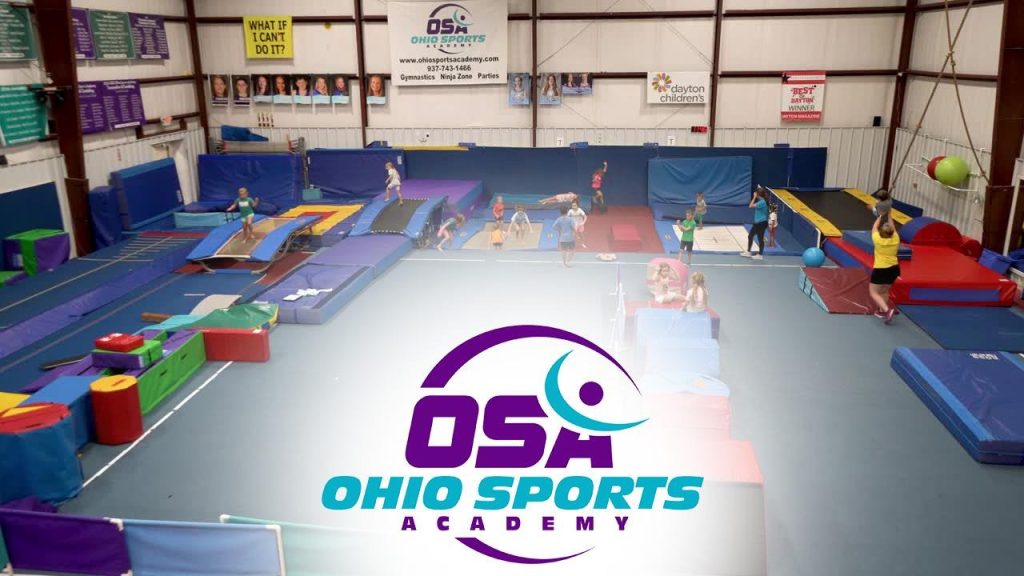
The transition from the relaxed days of summer to the structured routine of the classroom is a significant shift for any family. As backpacks are filled and school buses return to the streets, parents are often looking for ways to support their child’s focus, energy levels, and social confidence. At Ohio Sports Academy, we believe that the secret to a successful academic year isn’t just found in a textbook—it’s found on the spring floor, the balance beam, and the ninja course. Physical activity serves as a vital pillar for cognitive development and emotional resilience, making it the perfect “after-school special” for students of all ages.
Why is physical activity essential during the school year?
Research consistently shows a strong correlation between regular physical exercise and academic performance. When children participate in structured movement, their brains release neurotrophins like BDNF (Brain-Derived Neurotrophic Factor), which supports the survival of existing neurons and encourages the growth of new ones. This biological boost enhances memory, attention span, and processing speed.
Beyond the biology, the school year can be stressful. Between tests, social dynamics, and long hours of sitting at a desk, children need a healthy outlet for their pent-up energy. Engaging in sports provides a natural stress relief, helping students return home more relaxed and ready to tackle their homework with a clear mind. It acts as a “reset button” that balances the mental demands of the classroom with the physical demands of the gym.
How does gymnastics support early childhood education?
For our youngest learners, the transition to school is as much about physical coordination as it is about learning the alphabet. Preschool and kindergarten-aged children are in a critical window for developing “midline crossing” skills and bilateral coordination. These physical milestones are directly linked to the brain’s ability to process reading and writing. For families looking to give their little ones a head start, enrolling in dayton gymnastics provides a structured environment where these fundamental motor skills are honed through play and guided instruction.
In these early years, movement is the primary way children learn about their world. By navigating obstacles and learning how to control their bodies in space, they develop spatial awareness. This awareness is a precursor to understanding geometry and organizing information on a page. A child who can confidently balance on a beam is building the core strength and postural control needed to sit still and focus at a school desk for several hours a day.
Can ninja and tumbling classes help with classroom focus?
One of the biggest hurdles teachers face is the “fidget factor.” Children naturally want to move, and when that urge is suppressed for too long, focus drifts. Ninja and tumbling programs offer a high-intensity solution that rewards discipline and concentration. To successfully complete a ninja obstacle or land a tumbling pass, a student must practice “executive function”—the ability to plan, focus attention, and remember instructions.
These classes require children to listen to multi-step directions and execute them in a specific sequence. This is exactly what is required of them during a science lab or a math project. By practicing these skills in an environment that feels like a game, children build the “focus muscles” they need to succeed in more traditional academic settings. The grit required to try a new move until it is mastered also translates directly into the persistence needed to solve a difficult word problem or write a long essay.
How do after-school sports build social-emotional skills?
The playground can be a complex place to navigate. Building confidence in a supportive gym environment gives children the social tools they need to interact with their peers at school. In a professional gymnastics school, children learn how to take turns, cheer for their teammates, and handle both success and failure with grace. These are the cornerstones of emotional intelligence.
When a child achieves a goal they have been working on for weeks, the boost to their self-esteem is immense. That confidence follows them into the classroom. A student who feels strong and capable on the mat is more likely to raise their hand in class or volunteer for a leadership role. We provide a “safe-to-fail” environment where mistakes are seen as part of the learning process, helping to alleviate the “perfectionist” anxiety that many students feel regarding their school grades.
What makes Ohio Sports Academy the right choice for the school season?
Consistency is key to a child’s development, and our programs are designed to complement the academic calendar perfectly. Our facility offers a professional, safety-oriented space where the instructors understand the unique needs of school-aged athletes. We don’t just teach flips; we teach life skills. Every lesson plan is crafted to ensure that while the kids are having fun, they are also building the strength, flexibility, and coordination that will serve them in all other areas of their lives.
Our curriculum is research-based, focusing on the developmental stages of childhood. We understand that a seven-year-old’s needs are different from a twelve-year-old’s. By providing age-appropriate challenges, we keep students engaged and motivated throughout the long winter months when outdoor play might be limited. We serve as a partner to parents in the holistic development of their children, ensuring that the “back-to-school” transition leads to a year of growth, health, and happiness.
How do I balance sports and a heavy homework load?
One of the most common concerns for parents is “over-scheduling.” However, many families find that having a set time for physical activity actually improves time management skills. When a child knows they have a class at a specific time, it creates a structure for the evening. This routine often encourages students to be more efficient with their schoolwork during their designated study times.
Instead of seeing sports as “one more thing to do,” think of it as a vital investment in your child’s mental and physical health. The physical activity they get at the academy helps improve the quality of their sleep, which is perhaps the most important factor in academic success. A well-rested, physically active child is a more capable student. As you prepare for the upcoming semester, consider how a balance of mental and physical training can make this the best school year yet.