

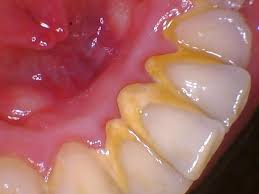
You brush twice a day, rinse regularly, and try to keep your teeth clean, yet the area near the gumline still looks yellow or rough. Your gums may feel tender when brushing, or your teeth might appear dull, no matter how much whitening toothpaste you use. In many cases, the issue is not surface staining alone. It is hardened tartar buildup sitting around or below the gumline.
Tartar, also called dental calculus, develops when plaque is left on the teeth long enough to harden. Once this happens, brushing and flossing alone are no longer enough to remove it. Over time, tartar can affect both the appearance of your teeth and the health of your gums.
Why Tartar Forms Near the Gumline
The gumline is one of the easiest areas for plaque to accumulate and one of the hardest to clean properly. Plaque is a sticky film of bacteria that forms continuously on the teeth. If it is not removed thoroughly through brushing and flossing, minerals in saliva cause it to harden into tartar.
Tartar commonly develops behind the lower front teeth and around the base of the teeth near the gums because saliva collects heavily in these areas. Crowded teeth, inconsistent flossing, smoking, dry mouth, and high sugar intake can also increase buildup. Unlike soft plaque, tartar bonds strongly to the tooth surface. It creates a rough texture that traps even more bacteria, making the problem progressively worse over time.
How Tartar Affects the Appearance of Teeth
Many people notice tartar because their teeth begin looking darker or less polished near the gums. Tartar can appear yellow, brown, or even black, depending on diet, smoking habits, and how long the buildup has been present. Coffee, tea, wine, and tobacco stains often cling to tartar more easily than clean enamel.
This buildup changes the overall appearance of the smile. Teeth may appear dull, uneven in colour, or poorly cleaned, even when someone maintains regular brushing habits. Because tartar forms a hard layer over the enamel, whitening products usually have little effect until the buildup is professionally removed.
Why Gums Become Tender
Tender or bleeding gums are often early signs that tartar has begun irritating the gum tissue. When tartar sits near or below the gumline, bacteria collect around it and trigger inflammation. The gums may become swollen, sensitive, or prone to bleeding during brushing and flossing. This early stage of gum disease is known as gingivitis.
If ignored, inflammation can worsen and progress into periodontal disease, where the gums begin pulling away from the teeth. This may eventually affect the supporting bone and increase the risk of tooth loss. Persistent tenderness around the gumline should never be dismissed as normal sensitivity.
Why Brushing Alone Cannot Remove Hard Tartar
One of the biggest misconceptions about tartar is that aggressive brushing will eventually remove it. Once plaque hardens into tartar, it becomes firmly attached to the teeth. Standard toothbrushes and floss cannot safely remove it. Attempting to scrape it off at home may damage the enamel or injure the gums.
This is why professional cleaning becomes necessary. Dentists and hygienists use specialised instruments to safely remove hardened deposits from above and below the gumline. For more advanced buildup, deeper cleaning procedures may also be recommended to reduce inflammation and prevent further gum damage.
Signs It May Be Time for Professional Cleaning
Some tartar buildup is difficult to notice initially, especially below the gumline. However, several signs commonly indicate that professional care may be needed. You may notice rough or crusty areas near the gums that do not disappear with brushing. Your teeth may appear stained close to the gumline, or your gums may bleed more easily when flossing.
Bad breath is another common sign because bacteria trapped around tartar produce unpleasant odours. In some cases, people also experience gum recession or increased tooth sensitivity. A professional dental check up Sydney appointment can help identify tartar buildup, assess gum health, and remove hardened deposits before they contribute to more serious oral health issues.
Preventing Tartar From Returning
Although tartar cannot be removed at home once it forms, daily habits play a major role in preventing future buildup. Brushing thoroughly twice a day with fluoride toothpaste helps reduce plaque accumulation before it hardens. Flossing daily is especially important because plaque between teeth and near the gumline often goes untouched by brushing alone.
Regular dental check-ups also matter because tartar can build up gradually without causing pain initially. Routine professional cleaning helps remove areas of buildup before they contribute to gum disease or cosmetic concerns. Diet can also influence oral health. Sugary and starchy foods feed oral bacteria, increasing plaque formation over time. Consistency is more effective than aggressive brushing. Gentle but thorough oral hygiene performed daily usually produces better long-term results.
When to Seek Dental Advice
Tender gums, visible tartar, or persistent staining near the gumline should not be ignored. These symptoms may indicate early gum disease, which is easier to treat when addressed promptly. If you notice hard deposits that do not brush away, recurring gum bleeding, bad breath, or increasing sensitivity, a dental examination is important.
Early intervention can prevent more serious complications later. In many cases, removing tartar not only improves gum health but also restores the cleaner, brighter appearance of the teeth.
FAQs
1. What is tartar?
Tartar is hardened plaque that forms when bacteria and food particles remain on the teeth long enough to mineralise.
2. Can tartar make teeth look yellow?
Yes. Tartar often appears yellow or brown and can make teeth look stained or dull near the gumline.
3. Why do my gums feel sore around tartar buildup?
Tartar traps bacteria around the gums, leading to irritation, inflammation, and tenderness.
4. Can brushing remove hard tartar?
No. Once plaque hardens into tartar, it usually requires professional dental removal.
5. Does tartar cause bad breath?
Yes. Bacteria trapped within tartar deposits commonly contribute to persistent bad breath.
6. How often should tartar be professionally removed?
Most people benefit from professional dental cleaning every six to twelve months, although some may require more frequent care depending on gum health.