

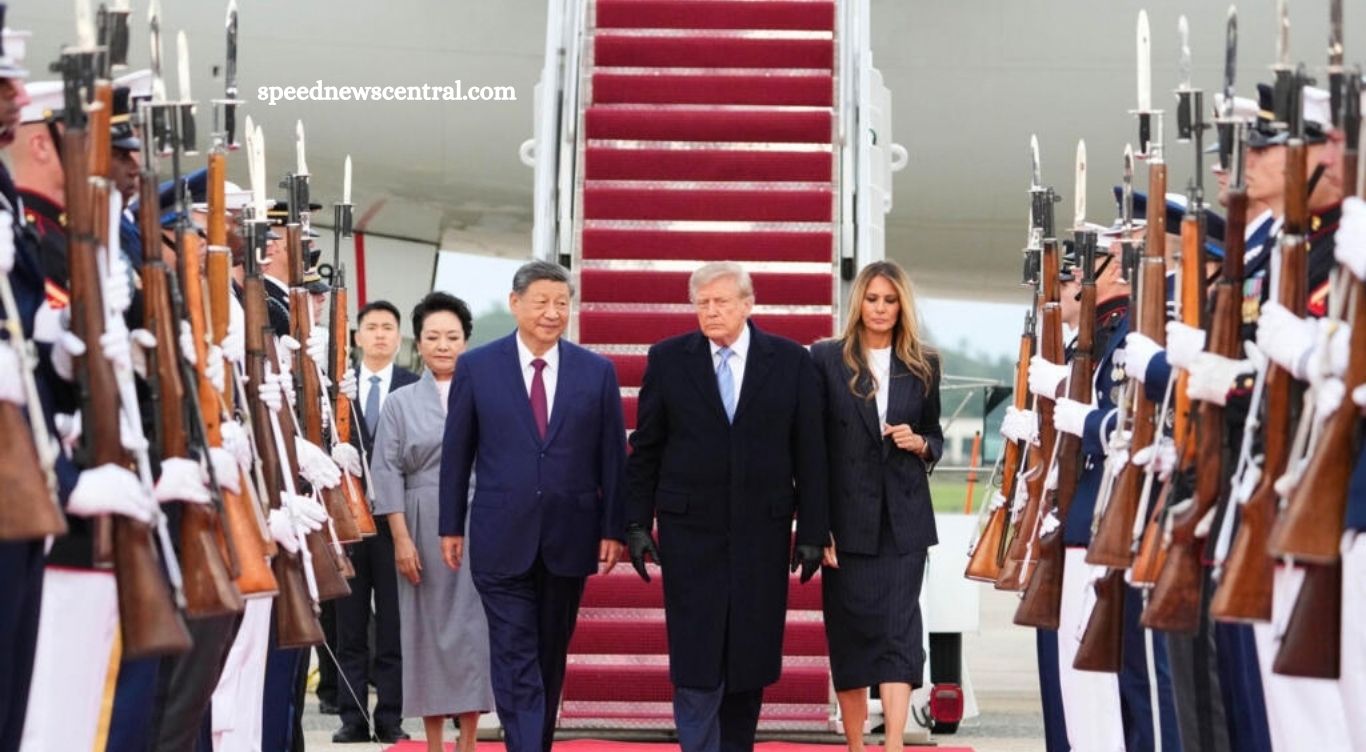
US-China relations are entering another important phase as Donald Trump and Xi Jinping prepare for high-stakes talks in Washington. The meeting comes at a time when trade, technology, national security, investment, and global economic stability remain major points of disagreement between the two countries.
The planned discussions could influence the direction of relations between the world’s two largest economies. Both governments face pressure to protect their national interests while avoiding further escalation. Any progress could support global markets and international trade, while renewed tensions could create fresh uncertainty for businesses, investors, and governments worldwide.
Read More: Inside the Modern Slot Casino: Games, Technology, and Better Playing Habits
Trump and Xi Jinping Face Major Challenges
The relationship between the United States and China has become increasingly complicated in recent years. Trade restrictions, tariffs, technology controls, supply-chain concerns, and geopolitical disputes have created significant friction between Washington and Beijing.
Trump is expected to focus on issues affecting American businesses and workers, including trade imbalances, market access, manufacturing, and China’s economic policies. Xi Jinping, meanwhile, is likely to emphasize China’s economic interests, national sovereignty, and the importance of stable relations between both countries.
The talks could provide both leaders with an opportunity to reduce tensions while maintaining firm positions on issues considered strategically important.
Trade Could Dominate the Washington Talks
Trade is expected to remain one of the most important subjects during discussions between Trump and Xi. Tariffs and restrictions on imports have affected companies operating across international markets, while businesses continue to face uncertainty surrounding future trade policies.
For the United States, reducing trade disadvantages and protecting domestic industries are likely to remain important priorities. Trump has historically taken a tougher approach toward China’s trade practices, arguing that American companies and workers should receive stronger protection.
China is also expected to defend its exporters and economic interests. Beijing has repeatedly called for cooperation rather than prolonged trade confrontation, particularly as global economic growth faces challenges.
Technology Competition Remains a Sensitive Issue
Technology is another major area of competition between Washington and Beijing. Artificial intelligence, advanced semiconductors, telecommunications, cybersecurity, and critical technologies have become closely connected to national security.
The United States has introduced various measures designed to limit China’s access to certain advanced technologies. Washington argues that restrictions can protect national security and prevent sensitive technologies from being used for military purposes.
China views many technology restrictions as attempts to limit its economic and technological development. As a result, technology policy could become one of the most difficult areas for Trump and Xi to address during their discussions.
Global Markets Will Watch Closely
Financial markets are likely to pay close attention to the outcome of the Trump-Xi meeting. Investors often react strongly to developments involving tariffs, trade agreements, sanctions, and relations between major economies.
A constructive meeting could improve market confidence by reducing fears of another major escalation. Companies could benefit from greater clarity regarding tariffs and international supply chains.
On the other hand, a breakdown in negotiations could increase concerns about higher trade barriers and additional restrictions. Businesses that depend heavily on US-China trade could face increased costs and operational uncertainty.
Supply Chains Remain a Major Concern
The United States and China remain deeply connected through global supply chains despite growing efforts to reduce strategic dependence. American companies rely on international manufacturing networks, while Chinese businesses depend on access to major global markets.
Recent geopolitical tensions have encouraged companies to diversify manufacturing and sourcing operations. Countries across Asia and other regions have benefited from companies seeking alternative production locations.
However, completely separating the two economies would be extremely difficult. The scale of existing commercial relationships means that any major disruption could have consequences far beyond Washington and Beijing.
Taiwan Could Add Geopolitical Pressure
Taiwan remains one of the most sensitive issues in US-China relations. Beijing considers Taiwan part of China and strongly opposes moves that could support formal independence. Washington maintains important economic and security relationships with Taiwan while following its long-standing policy framework toward the island.
Any discussion involving Taiwan is likely to require careful diplomacy. Statements from either leader could influence regional security calculations and affect relationships with US allies and partners in the Indo-Pacific.
For investors and governments across Asia, stability around Taiwan remains particularly important because the region plays a central role in global technology manufacturing and international trade.
What Could Trump and Xi Achieve?
The immediate goal of the meeting may not be a complete resolution of long-standing disagreements. Instead, both leaders could focus on establishing clearer communication and preventing disagreements from turning into a broader confrontation.
Possible areas of progress could include trade negotiations, economic cooperation, diplomatic communication, and agreements designed to reduce risks involving technology and international commerce.
Even limited progress could be viewed positively if it creates a foundation for further negotiations.
Why the Talks Matter for the Global Economy
The importance of the Trump-Xi meeting extends beyond the United States and China. Their economic decisions can influence commodity prices, manufacturing, investment, shipping, technology markets, and international trade.
European and Asian economies are particularly exposed to changes in US-China trade policies. Emerging markets could also experience indirect effects through changes in global investment and supply chains.
A more stable relationship could support international economic confidence. Increased confrontation, however, could accelerate economic fragmentation and encourage countries and companies to develop separate trade and technology networks.
Businesses Seek Greater Certainty
Companies operating internationally are closely watching developments between Washington and Beijing because uncertainty can make long-term planning more difficult.
Businesses need clarity regarding tariffs, export restrictions, investment rules, and technology regulations. Predictable policies allow companies to make better decisions about manufacturing, hiring, investment, and supply-chain management.
For this reason, even without a major agreement, diplomatic progress could provide meaningful benefits to the private sector.
A Critical Moment for US-China Relations
The upcoming Washington talks represent an important moment for US-China relations. Trump and Xi Jinping face strong domestic pressures, major economic disagreements, and growing competition over technology and geopolitical influence.
Neither side has an easy path toward resolving every dispute. However, direct communication between the two leaders could help prevent misunderstandings and create opportunities for negotiations.
The outcome will likely be measured not only by major agreements but also by whether both governments can establish a more stable framework for managing competition.
Frequently Asked Questions
Why are Trump and Xi Jinping meeting?
Trump and Xi Jinping are meeting to discuss major issues involving trade, tariffs, technology, security, and economic relations.
What will Trump and Xi discuss?
Key topics may include tariffs, trade imbalances, technology restrictions, supply chains, and geopolitical tensions.
Why are US-China relations important?
US-China relations affect global trade, financial markets, technology industries, supply chains, and international economic stability.
Could the talks affect global markets?
Yes. Progress could improve investor confidence, while increased tensions could create market uncertainty and economic pressure.
Will technology be discussed?
Technology is expected to remain an important issue, particularly semiconductors, artificial intelligence, telecommunications, and export controls.
Could trade tensions increase after the meeting?
Trade tensions could increase if negotiations fail, although both sides have incentives to maintain communication and seek areas of cooperation.
Why does the meeting matter globally?
The outcome could influence international trade, investment, supply chains, technology competition, and geopolitical stability worldwide.
Conclusion
Trump and Xi Jinping’s high-stakes Washington talks could shape the future of US-China relations and influence the global economy. Trade, tariffs, technology, security, and supply chains remain key challenges. While major disagreements may not be resolved immediately, constructive dialogue could reduce tensions, improve economic confidence, and create opportunities for future cooperation.
