

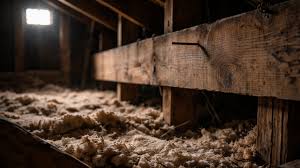
The pattern is often strangely consistent. The sun goes down, the television is turned off, the house settles into silence, and then you hear it. A soft thud above the ceiling. A faint movement across the roof space. Maybe it stops for a few minutes before returning later in the evening.
At first, many homeowners dismiss it as normal house movement. Timber expands and contracts, roofs cool after a warm day, and older homes naturally creak. But when the sound starts around sunset night after night, it usually points to something else entirely. Roof spaces become active once daylight fades. For rodents and other pests, dusk is the safest time to move around unnoticed. The timing itself is often the biggest clue.
Why Sunset Triggers Roof Activity
Many pests are nocturnal, which means they become active after dark. As evening arrives, the environment outside changes quickly. Temperatures drop, human activity slows down, and predators become less visible. This creates the ideal conditions for rodents to leave their nesting areas and start searching for food or moving through roof cavities.
Roof spaces are particularly attractive because they stay warm long after sunset. During the day, roofing materials absorb heat from the sun. That warmth lingers into the evening, making ceiling voids comfortable and sheltered.
The roof cavity also offers darkness, protection from the weather, and fewer disturbances compared to outdoor areas. Once the house quiets down, even small movements become far easier to hear from below.
This is why homeowners often notice the sounds most clearly during the first few hours after sunset. Rats and mice are especially active during these periods.
Why Rodents Use Roof Spaces
Rodents are constantly searching for safe nesting areas. Roof voids provide everything they need. They offer warmth during colder nights, protection from predators, and easy access to hidden travel routes inside the structure.
Mice and rats often move along timber beams, insulation layers, wiring paths, and ceiling cavities. Even small rodents can sound surprisingly loud overhead because the ceiling structure amplifies movement. A quick run across plasterboard or insulation can produce dull thuds or shifting noises inside living areas.
Roof rats are particularly skilled climbers. They commonly access homes by scaling walls, pipes, cables, gutters, or nearby trees. Once inside, they may establish nests deep inside insulation or hidden corners of the roof cavity.
In some cases, the sound homeowners describe as a “soft thud” is simply a rodent jumping between beams or moving quickly across loose insulation. If several rodents are active together, the noise becomes more frequent and easier to notice.
Other Signs to Watch For
Noise alone rarely tells the full story. Rodent activity in roof spaces is usually accompanied by other warning signs that gradually become more noticeable over time. Scratching and scurrying sounds are among the most common indicators. These noises often occur late at night or shortly before dawn, especially near ceiling corners or wall cavities.
Droppings are another major sign. They may appear in storage areas, garages, ceiling access points, or near insulation. Rodents also leave greasy rub marks along surfaces they repeatedly travel across. Some homeowners notice musty or ammonia-like smells coming from the ceiling space. This odour is usually linked to urine buildup or nesting materials. In more advanced infestations, insulation may appear torn apart or compressed where rodents have created pathways and nesting zones.
Chewed wiring is another serious concern. Rodents gnaw constantly to control tooth growth, and electrical cables inside roof cavities are common targets. Outside the property, signs may include overhanging branches touching the roofline, damaged vents, loose roof edges, or gaps near utility penetrations.
Why the Noise Shouldn’t Be Ignored
A few quiet sounds above the ceiling may seem harmless initially, but rodent activity rarely stays small for long. Rodents reproduce quickly and tend to remain hidden until the infestation becomes more established.
Over time, they can damage insulation, contaminate roof spaces with droppings and urine, and spread into wall cavities throughout the home. Electrical damage is particularly concerning because chewed wiring may increase fire risks.
Rodents also create ongoing hygiene issues. Contaminated insulation often loses effectiveness and may eventually require replacement. Persistent infestations can lead to unpleasant odours that spread into living areas through vents or ceiling gaps.
Another problem is that rodents rarely use only one entry point. If access remains available, more rodents may continue entering even after some are removed.
Why DIY Traps Often Miss the Source
Many homeowners respond by placing traps inside kitchens, laundries, or storage areas. While this may occasionally catch individual rodents, it often fails to address the main activity occurring inside the roof cavity. The real issue is usually hidden above the ceiling. Rodents may be nesting deep inside insulation or travelling through inaccessible sections of the roof. Without locating the entry point and movement paths, traps alone may only reduce activity temporarily.
DIY approaches can also miss secondary access routes. A property may have several small openings around vents, roof flashing, solar panel penetrations, or damaged eaves that continue allowing rodents inside. This is why recurring roof noise often continues despite repeated trapping attempts.
When Rodent Control Becomes Necessary
If the thuds continue after sunset or become more frequent, professional Rodent Pest Control can help locate entry points, remove active rodents, and prevent them from returning. A proper inspection usually focuses on roof access points, nesting areas, structural gaps, and evidence of repeated movement. Identifying how rodents are entering is often just as important as removing them. Long-term control generally involves a combination of removal, exclusion work, and repairing vulnerable areas around the roofline.
What Homeowners Can Check First
Homeowners can often identify early warning signs before the problem worsens. Roof vents, eaves, and flashing should be checked for visible gaps or damage. Overhanging tree branches near the roofline can also provide easy climbing access for rats.
Storage areas and garages may reveal droppings or nesting debris near walls and corners. Repeated sounds from the same ceiling area are another strong indication that activity is concentrated nearby.
It is also worth paying attention to timing. Rodent movement tends to increase at dusk and during the quietest parts of the night.
Closing – Timing Is the Clue
If the sound starts around sunset each night, it is rarely random. That timing often points to hidden pest movement inside the roof space. Soft thuds, scratching, or shifting noises may seem minor initially, but they often signal the beginning of a larger rodent problem developing overhead. Acting early makes it far easier to identify access points, reduce damage, and stop the infestation from spreading deeper into the home.
FAQs
Why do I only hear roof noises after sunset?
Most rodents are nocturnal and become active once daylight fades. Roof spaces stay warm and quiet at night, making them ideal for movement and nesting.
Can small mice really sound loud in the ceiling?
Yes. Ceiling cavities amplify sound, so even small rodents running across beams or insulation can create noticeable thuds and scratching noises.
Are roof rodents dangerous?
They can be. Rodents may chew electrical wiring, damage insulation, contaminate surfaces with droppings, and spread bacteria through roof cavities.
What smells indicate rodents in the roof?
A strong musty or ammonia-like smell often points to urine buildup, nesting materials, or dead rodents inside the roof space.
Why don’t indoor traps always solve the issue?
The rodents may be nesting inside inaccessible roof areas rather than inside living spaces. Without addressing entry points, activity often continues.
What attracts rodents into roof spaces?
Warmth, shelter, nesting protection, and easy access through small roof gaps or overhanging vegetation commonly attract rodents into ceilings and attics.