

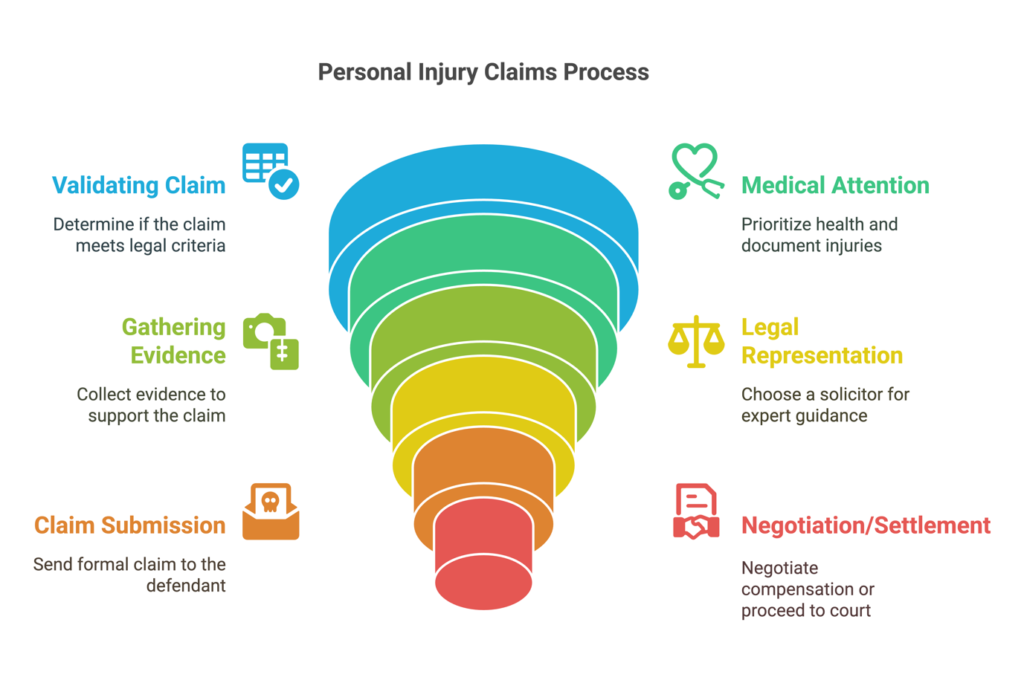
In Ocala, everyday life often involves commuting to work, visiting local businesses, and spending time in busy public places, which unfortunately means accidents can happen when people least expect them. When someone is injured due to another person’s negligence, the legal process that follows can feel confusing and overwhelming, especially for those who have never filed a claim before.
Understanding how a personal injury claim moves from the initial accident to final compensation can make the situation far less stressful and much more manageable. Each step in the process plays an important role in protecting a victim’s rights, documenting damages, and working toward a fair resolution. With guidance from an Ocala personal injury lawyer, injured individuals can better understand what to expect, avoid common mistakes, and move through each stage of the claims process with greater confidence and peace of mind.
Get Medical Attention Right Away
Whether there was an accident, the most important step is to act quickly to address the medical issue that needs treatment. Early treatment safeguards health and provides vital documentation. Medical records serve as evidence of those injuries and are an important part of any future claim. Omitting this step can make it difficult to prove damages.
Report the Incident
Reporting of every accident on time is critical. In the event of a motor vehicle crash, call the police. Notify the proper authorities or the property owner. Having an official report on file creates an objective record of events. This documentation will establish the basis for compensation requests.
Collect Evidence
Collecting evidence helps to prove the veracity of a story. It can be helpful to include photographs to support it, such as images of injuries, property damage, or the accident scene. Things like witness statements, video footage, and even weather reports can add context. The better evidence you can collect, the more compelling a claim can be.
Inform the Responsible Party
This absence of communication with the party responsible is why notice of an intention to claim must be given. This can be done via a letter or formal notice. This avoids disputes, as the timing of the claim or its legitimacy will be in black and white, as it should always be after a claim is made. A strong willingness to resolve matters equitably is conveyed through early notice.
Seek Legal Help
This is where professional advice can become crucial. The intricacies of a case will be in the hands of the legal expert, who can assess its strength. They clarify rights and options and guide one through all phases. This boosts the odds of a favorable outcome.
Assess Damages
Knowing the full extent of losses helps determine a fair compensation request. This may include medical bills, lost wages, rehabilitation costs, and pain and suffering. To ensure nothing is missed, document all expenses on paper. Deliberate calculation prevents us from underestimating the incident’s impact.
Begin Settlement Discussions
Starting negotiations with the other side allows parties to solve the issue without going to court. If you can provide a rationale for your offer, along with supporting data and positives (for sellers), you are more likely to receive a fair offer. An open dialogue can enable both sides to agree on terms they can live with.
Submit a Formal Claim
If discussions do not settle the matter, a formal claim is the next action. The process of transferring top footballers from one club to another requires extensive paperwork and procedural rules. This expertise requires careful attention to deadlines and documentation. An appropriately submitted assertion secures rights and advances the process.
Getting Ready for Court
If negotiations are unsuccessful, it is time to prepare for court. The next phase includes collecting additional evidence, drafting legal arguments, and potentially attending pre-trial meetings. When you prepare yourself, you leave no stone unturned. At that time, it is reassuring to have the support of a legal expert.
Receive Compensation
This is the payout made following a court decision or a settlement. The offending party pays the settlement or judgment to compensate for the verified damages. It allows for closure and allows a person to begin healing and rebuilding. Immediate payment settles unpaid bills.
Conclusion
Navigating the personal injury claims process requires patience, diligence, and organization. Following these ten clear steps can help streamline the journey. Individuals can safeguard their rights, maximize compensation, and move on with their lives. A structured approach brings clarity and peace of mind during what may be a challenging period. By understanding each stage, anyone can approach the claims process with greater assurance and less uncertainty.
