

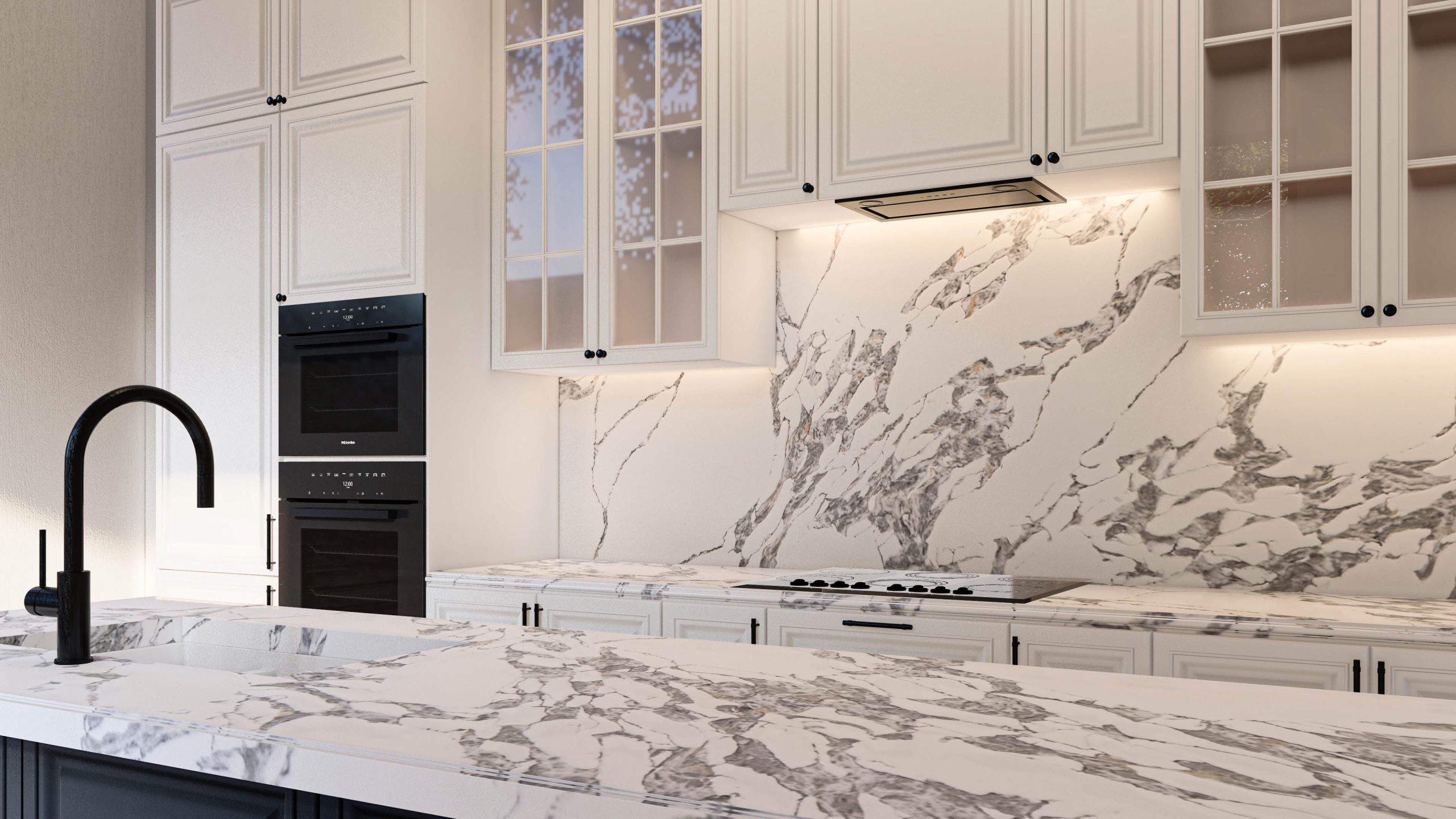
A kitchen can look flawless when it is first installed, but years later, many homeowners begin noticing stains that will not lift, dull patches near sinks, scratches around preparation areas, or surfaces that seem impossible to keep clean. In many cases, the issue is not poor cleaning habits. It is the material itself and how it responds to daily use over time.
Kitchen surfaces face constant exposure to heat, moisture, oils, acidic foods, cleaning chemicals, and heavy impact. Some materials tolerate these conditions well, while others gradually become harder to maintain as wear builds up. Understanding why this happens can help homeowners make more practical decisions about care, maintenance, and future renovations.
Why Kitchen Surfaces Change Over Time
Every kitchen surface ages differently. Even durable materials eventually show signs of wear because kitchens are one of the busiest environments in a home. Daily cooking exposes benchtops to heat fluctuations, water splashes, grease, sharp utensils, and food acids. Over time, repeated exposure weakens protective finishes, dulls polished surfaces, and increases the risk of stains or damage.
Porous materials are especially vulnerable because they absorb moisture and oils gradually. Once the protective seal begins wearing down, stains become more difficult to remove. According to countertop care specialists, natural stone surfaces can absorb liquids and develop permanent discolouration if spills are not cleaned quickly enough. Even surfaces marketed as low maintenance still require some level of care to prevent gradual deterioration.
The Impact of Moisture and Staining
Moisture is one of the biggest long-term problems for kitchen surfaces. Around sinks, dishwashers, and cooktops, repeated water exposure slowly affects joints, sealants, and surface coatings. Water can seep into porous materials, causing staining, swelling, or surface breakdown.
Oils and food residues create additional problems because they penetrate tiny surface pores over time. Dark liquids such as coffee, wine, turmeric, and cooking oils are especially difficult to remove once absorbed. Natural stone surfaces are particularly sensitive to this issue. A marble kitchen benchtop, for example, can absorb liquids more easily than denser engineered materials if sealing is not maintained regularly. In busy kitchens, even careful homeowners may struggle to prevent occasional spills from sitting too long.
Why Acidic Foods Cause Surface Damage
One of the most misunderstood maintenance problems is etching. Etching occurs when acidic substances react chemically with certain stone surfaces, leaving dull or faded marks. Lemon juice, vinegar, tomato sauce, wine, and even some cleaning products can trigger this reaction.
Unlike stains, etching is not something sitting on the surface. It is actual surface damage caused by a chemical reaction. This means normal cleaning will not remove it. Many homeowners become frustrated because the surface may appear permanently dirty even after thorough cleaning. In reality, the polished finish itself has been altered.
This issue is particularly common with softer natural stones because they contain calcium carbonate, which reacts easily with acids.
Heat and Scratches Add to Long-Term Wear
Heat damage often develops gradually rather than instantly. Placing hot cookware directly on surfaces can weaken sealants, cause discolouration, or create small cracks through thermal stress. While some materials are marketed as heat-resistant, repeated temperature changes still contribute to wear over time.
Scratches also become more noticeable as surfaces age. Cutting directly on benchtops, dragging heavy cookware, or using abrasive cleaning tools slowly damages the finish. Softer materials tend to show scratches more easily than harder engineered surfaces. Once scratches accumulate, dirt and grease collect inside them, making the surface harder to clean properly. Over time, this creates the impression that the kitchen is constantly dirty even when it has been cleaned thoroughly.
Cleaning Products Can Make Things Worse
Many homeowners unintentionally damage their kitchen surfaces through incorrect cleaning methods.
Harsh chemicals, bleach, vinegar, abrasive scrubbing pads, and strong degreasers can slowly wear away protective coatings and sealants.
Acidic cleaners are especially damaging to natural stone surfaces. Even common household products marketed as “natural cleaners” may cause dullness and long-term etching.
Once the protective finish begins deteriorating, the surface becomes more vulnerable to moisture, stains, and bacteria.
Using pH-neutral cleaners and soft cloths helps preserve surface integrity far more effectively than aggressive cleaning methods.
Why Some Surfaces Require More Maintenance
Not all kitchen surfaces are designed for the same lifestyle. Some homeowners prioritise appearance and natural texture over durability. Others prefer surfaces that tolerate heavy cooking with minimal upkeep. Natural stone surfaces often require resealing because they remain porous even after installation. Experts recommend regular sealing to reduce staining risks and maintain protection.
Engineered materials may resist staining better, but can still develop wear from heat, scratching, or chemical exposure. The difficulty many homeowners experience often comes from choosing a material without fully understanding its long-term maintenance requirements. A surface that looks beautiful in a showroom may behave very differently in a high-use family kitchen.
Practical Ways to Reduce Maintenance Problems
Preventive care makes a significant difference over time. Cleaning spills immediately helps reduce staining and etching risks. Using chopping boards instead of cutting directly on surfaces prevents scratching. Trivets and heat pads reduce thermal damage from cookware.
Regular resealing is important for porous stone materials because sealants gradually wear away through daily use. Avoiding harsh cleaners is equally important. Mild soap, warm water, and stone-safe cleaning products are usually safer for long-term maintenance.
Small habits often determine how well a kitchen surface ages over ten or twenty years.
Conclusion
Kitchen surfaces become difficult to maintain over time because daily wear gradually changes how materials respond to moisture, heat, stains, acids, and cleaning products. What begins as minor discolouration or dullness can eventually become permanent surface damage if maintenance is neglected or the wrong cleaning methods are used.
Understanding how different materials age helps homeowners make more realistic choices about care and durability. In many cases, long-term maintenance problems are not caused by neglect alone, but by the natural limitations of the material itself. With proper care, realistic expectations, and preventative maintenance, most kitchen surfaces can remain functional and visually appealing for many years.
FAQs
1. Why do kitchen benchtops become harder to clean over time?
Daily exposure to moisture, oils, scratches, heat, and cleaning chemicals gradually damages protective finishes and increases staining.
2. What causes dull patches on stone kitchen surfaces?
Dull patches are often caused by etching, which happens when acidic substances react with the surface material.
3. Can heat damage kitchen surfaces permanently?
Yes. Repeated exposure to hot cookware can weaken sealants, cause discolouration, or create cracks over time.
4. Why do some surfaces stain more easily than others?
Porous materials absorb liquids and oils more readily, especially when protective sealants begin wearing down.
5. Are harsh cleaning products bad for kitchen benchtops?
Yes. Strong chemicals and abrasive cleaners can damage surface finishes and increase long-term maintenance problems.
6. How often should natural stone surfaces be sealed?
This depends on usage, but many stone surfaces benefit from resealing every six to twelve months.