

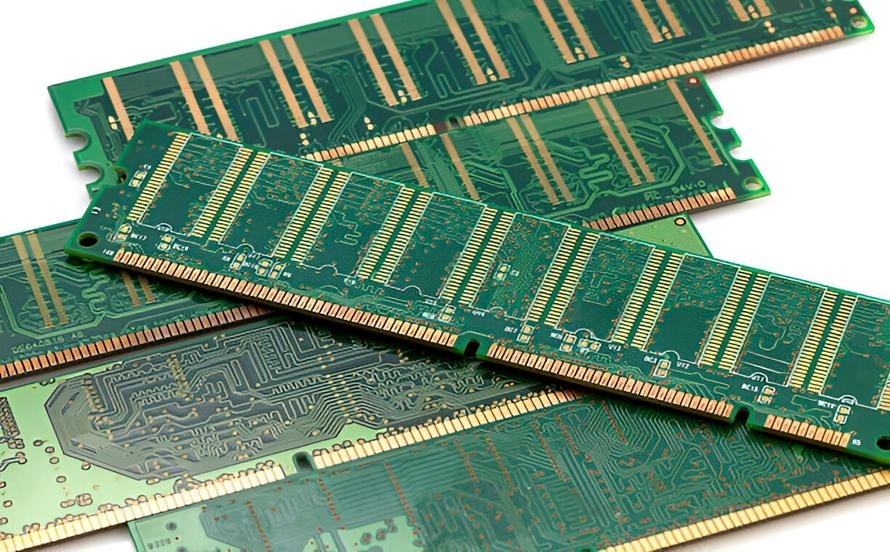
Printed circuit boards are essential to modern electronic systems, powering everything from consumer devices and automotive controls to industrial machinery and medical equipment. However, electronic components can be vulnerable to moisture, dust, chemical contaminants, and temperature fluctuations. Exposure to these conditions may cause corrosion, electrical leakage, short circuits, and premature component failure. To improve reliability, manufacturers often use protective coatings that create a barrier between sensitive electronic components and their surrounding environment.
PCB conformal coating is a protective process in which a thin layer of specialized material is applied over a printed circuit board assembly. The coating follows the contours of the board, covering components, solder joints, and selected conductive areas without adding the bulk associated with encapsulation. Understanding coating materials, application methods, and quality requirements helps electronics manufacturers select the right protection for their products and operating environments.
What Is PCB Conformal Coating and How Does It Work?
PCB conformal coating is a protective film designed to shield assembled circuit boards from environmental contaminants and certain forms of electrical and chemical stress. Unlike potting, which completely surrounds components with a thicker compound, conformal coating generally forms a thin layer over the board’s surface and mounted components.
The coating helps limit direct contact between sensitive electronic areas and moisture, dust, salt, and other contaminants. Depending on the selected material, it can also provide electrical insulation, improve corrosion resistance, and support more reliable operation under changing environmental conditions.
The process usually takes place after component assembly and appropriate cleaning. Areas such as connectors, switches, test points, and sockets may require masking to prevent unwanted coating buildup. Once applied, the material is cured or dried according to its chemical composition and manufacturer specifications.
Although conformal coatings provide valuable protection, they do not automatically make every PCB waterproof or suitable for every operating environment. Performance depends on material selection, coating thickness, coverage, board design, and manufacturing quality.
Types of Conformal Coating Materials for PCBs
Selecting the right material is essential because different coatings offer different levels of flexibility, chemical resistance, temperature tolerance, and repairability.
1. Acrylic Conformal Coating
Acrylic coatings are commonly used for general-purpose electronic assemblies because they are relatively easy to apply, dry quickly, and can often be removed for repair. They provide useful moisture resistance and electrical insulation for products operating in moderate environments.
These coatings are suitable for consumer electronics, control boards, and general industrial equipment. However, they may offer limited resistance to certain solvents and aggressive chemicals compared with other coating materials.
2. Silicone Conformal Coating
Silicone coatings are valued for their flexibility and ability to perform across a wide temperature range. They can accommodate thermal expansion and contraction, making them useful for electronic assemblies exposed to repeated temperature changes.
Automotive electronics, outdoor lighting, industrial controllers, and power electronics may benefit from silicone-based protection. Engineers should also consider the material’s mechanical properties and compatibility with subsequent manufacturing or repair processes.
3. Polyurethane Conformal Coating
Polyurethane, also known as urethane, coatings can provide strong resistance to moisture, abrasion, and many chemicals. They are often considered for circuit boards operating in industrial or transportation environments where more demanding protection is required.
However, these coatings can be difficult to remove after curing. Manufacturers should evaluate repair requirements before selecting polyurethane for a particular electronic assembly.
4. Epoxy Conformal Coating
Epoxy coatings form a hard and durable protective layer that can offer good resistance to chemicals and moisture. They may be suitable for applications requiring a robust barrier against environmental exposure.
Because cured epoxy is relatively rigid, it may create mechanical stress under certain thermal conditions. Component sensitivity, board design, and expected operating temperatures should therefore be evaluated before use.
5. Parylene Coating
Parylene is applied through a vapor-deposition process that produces a thin, uniform protective film, including over complex component geometries. Depending on the specific formulation, it can provide excellent moisture and chemical barrier properties.
Parylene is often considered for medical electronics, aerospace systems, sensors, and specialized electronic equipment. Its application requires dedicated processing equipment, which can increase manufacturing costs.
Major Benefits of Conformal Coating for Printed Circuit Boards
Applying a suitable protective layer can improve PCB reliability and help reduce environment-related failures.
Protection Against Moisture and Corrosion
Humidity and condensation can contribute to corrosion and electrochemical migration between conductive areas. A properly selected coating helps reduce direct exposure to moisture, supporting more reliable performance in environments where humidity is a concern.
Improved Electrical Insulation
Contaminants on circuit boards can create unintended conductive paths between components or traces. A conformal coating provides an additional insulating barrier that can help reduce electrical leakage and short-circuit risks when applied correctly.
Longer Electronic Product Lifespan
Environmental exposure can gradually damage solder joints, component leads, and exposed conductive surfaces. Protective coatings help reduce the effects of certain contaminants, potentially extending product life and reducing maintenance requirements.
Better Reliability in Challenging Environments
Industrial, automotive, and outdoor electronics may face changing temperatures, dust, vibration, and moisture. Selecting a coating suitable for these conditions can improve the assembly’s ability to withstand environmental stress.
Reduced Maintenance Costs
Repairing electronic equipment installed in remote or difficult-to-access locations can be expensive. By reducing some environment-related failures, appropriate PCB protection may help lower servicing frequency and total lifecycle costs.
How the PCB Conformal Coating Process Works
A reliable coating process requires preparation, controlled application, proper curing, and inspection. The exact procedure depends on the material and the assembly’s design.
Step 1: Inspection and Cleaning
The assembled PCB is inspected for defects and contaminants. Flux residues, oils, dust, and other unwanted materials can interfere with coating adhesion or become trapped beneath the protective film.
Cleaning methods should be compatible with the board, components, and selected coating material. The assembly must also be adequately dried before coating.
Step 2: Masking Sensitive Areas
Connectors, test points, switches, and other areas that require direct electrical contact may need masking. This prevents coating from interfering with component operation, electrical connections, or future testing.
Step 3: Applying the Coating
Depending on production requirements, manufacturers may use spraying, dipping, brushing, selective automated coating, or vapor deposition.
Spraying is suitable for many general applications, while selective coating systems provide greater control over coverage in complex assemblies. The process must achieve the specified thickness without leaving exposed areas or creating excessive buildup.
Step 4: Curing and Drying
Some coatings dry at room temperature, while others require heat, ultraviolet exposure, or a combination of curing methods. Following the material supplier’s instructions is essential to achieve the required protective properties.
Step 5: Inspection and Testing
The coated PCB is checked for coverage, thickness, bubbles, pinholes, and contamination. Depending on the requirements, inspection may include visual examination, ultraviolet illumination for compatible materials, thickness measurements, and electrical testing.
Common Applications of PCB Conformal Coating
Conformal coating is used in industries where environmental protection and electronic reliability are important.
- Automotive electronics: Helps protect control modules, sensors, lighting circuits, and other assemblies exposed to humidity and temperature variations.
- Industrial automation: Supports the protection of programmable logic controllers, motor drives, power electronics, and monitoring systems.
- Medical equipment: Provides an additional protective layer for sensitive circuits when the selected material and manufacturing process meet applicable requirements.
- Aerospace electronics: Helps safeguard selected electronic assemblies operating under demanding environmental conditions.
- Consumer electronics: Protects appropriate devices from moisture, dust, and other contaminants.
- Telecommunications equipment: Supports the reliability of electronic assemblies installed in outdoor or semi-protected locations.
The level of protection required varies by application. Engineers must consider actual operating conditions rather than assuming that every coating provides complete waterproofing or resistance to all chemicals.
Best Practices for Choosing a Conformal Coating Manufacturer
Choosing a capable manufacturing partner can help maintain consistent coating quality and production reliability. Manufacturers should evaluate several factors before selecting a supplier.
First, confirm that the supplier understands different coating materials and can recommend an option based on temperature, humidity, chemical exposure, electrical requirements, and expected service life.
Second, assess application capabilities, including masking, selective coating, curing, and inspection equipment. Controlled processes can improve consistency, especially for complex circuit boards or higher production volumes.
Third, review quality-control procedures. Documented coating thickness specifications, inspection criteria, process monitoring, and traceability help maintain repeatable results.
Finally, consider repairability, production capacity, turnaround time, and total cost. A coating that is inexpensive initially may not offer the best long-term value if it is incompatible with the product’s environment or creates difficulties during repair.
Conclusion
PCB conformal coating plays an important role in protecting electronic assemblies from moisture, dust, corrosion, and other environmental challenges. By selecting the right material and following a controlled application process, manufacturers can improve circuit reliability, reduce certain failure risks, and extend product service life. Proper cleaning, masking, curing, and inspection are equally important for achieving consistent results. Partnering with an experienced electronics manufacturer offering PCB Conformal Coating Services can help businesses meet their product protection requirements while maintaining dependable assembly quality.
