

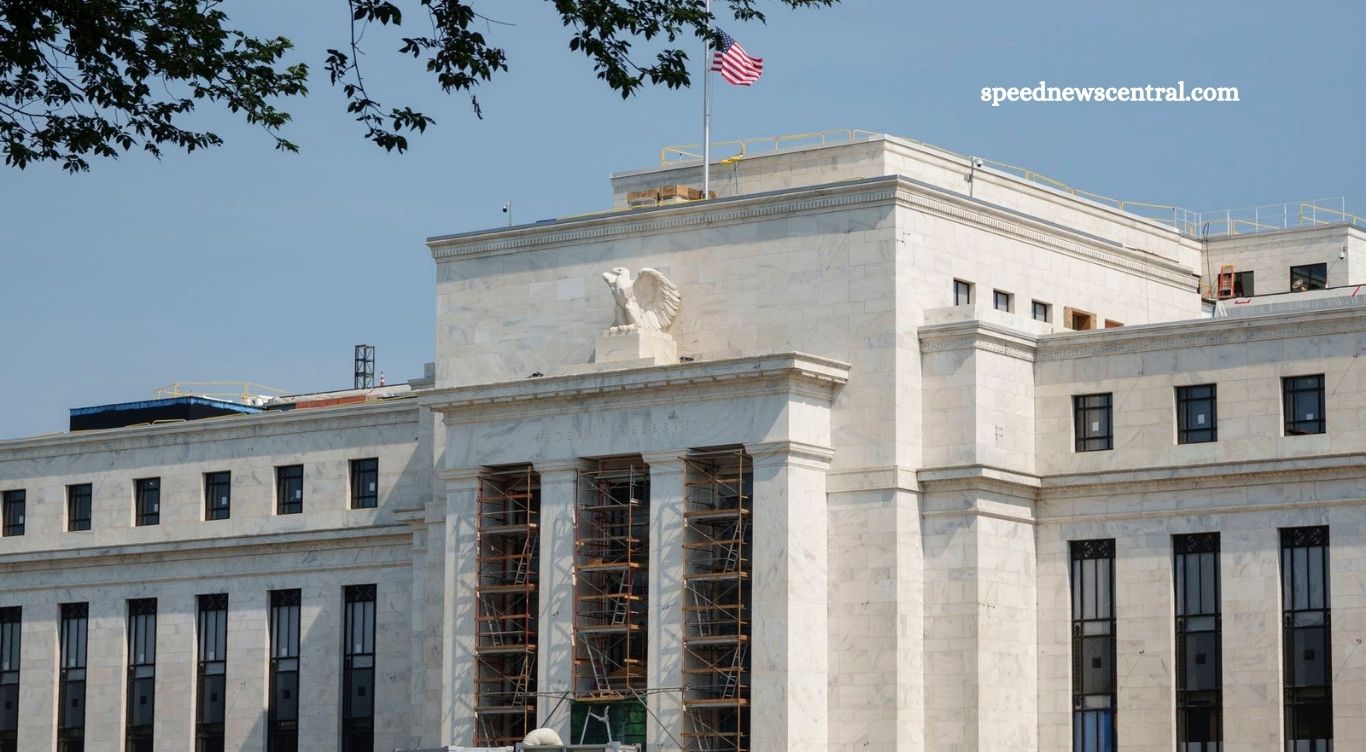
Federal Reserve rate expectations are shifting as fresh US economic data challenges market forecasts. Investors, economists, and financial institutions closely monitor inflation, employment figures, consumer spending, and economic growth to understand the central bank’s next move. Even small differences between expected and actual results can influence financial markets and change predictions about interest rates.
The Federal Reserve, commonly known as the Fed, uses monetary policy to support maximum employment and maintain stable prices. Stronger-than-expected economic figures may reduce the urgency for interest rate cuts, while weaker results can increase expectations for monetary easing. These changing signals make upcoming economic reports especially important for investors, businesses, and consumers.
Read More: UK Defence Industry Plans 40,000 New Jobs and Apprenticeships
Why Federal Reserve Rate Expectations Are Changing
Financial markets constantly adjust their expectations based on new economic information. When an important report differs from forecasts, traders reconsider the likely direction of interest rates. Strong economic growth, persistent inflation, or resilient employment can encourage expectations that borrowing costs will remain elevated for longer.
On the other hand, slowing economic activity or cooling inflation may strengthen expectations for rate cuts. The Federal Reserve does not automatically change its policy after every report. Instead, policymakers evaluate several indicators to determine whether inflation is moving sustainably toward their 2% target and whether employment conditions remain healthy.
US Economic Data Surprises Markets
Economic surprises occur when published figures differ significantly from economists’ predictions. These differences matter because markets usually incorporate existing expectations into asset prices before official data becomes available.
When actual results exceed forecasts, investors may quickly adjust bond yields, stock valuations, and currency positions. Disappointing figures can produce the opposite reaction. However, market responses depend on the type of data released, previous trends, and expectations surrounding Federal Reserve policy.
Inflation Reports Remain a Major Influence
Inflation remains one of the most important factors shaping interest rate expectations. Consumer Price Index (CPI) and Personal Consumption Expenditures (PCE) reports help investors assess whether price pressures are easing or remaining persistent.
Stronger inflation readings may reduce confidence in near-term rate cuts because the Fed could need to maintain restrictive monetary policy. Softer readings may support expectations for lower borrowing costs, particularly when several consecutive reports show sustainable progress toward price stability.
Employment Data Shapes Monetary Policy Forecasts
Employment figures provide another important signal about the health of the US economy. Monthly payroll reports, unemployment rates, wage growth, and job openings help policymakers evaluate labor market conditions.
A strong labor market can give the Fed more flexibility to maintain higher rates if inflation remains a concern. However, weakening job creation or rising unemployment may increase pressure for rate reductions. Policymakers must balance these developments without allowing inflation to remain elevated or economic conditions to deteriorate unnecessarily.
How Interest Rate Expectations Affect Financial Markets
Changes in Federal Reserve forecasts can influence several asset classes simultaneously. Investors frequently reassess their strategies when the expected timing or pace of rate cuts changes.
Financial markets react not only to the Fed’s current policy rate but also to expectations about future decisions. Consequently, even without an immediate policy announcement, a surprising economic report can move Treasury yields, equity prices, and exchange rates.
Bond Yields and Treasury Markets
US Treasury yields often respond quickly to changes in interest rate expectations. If investors believe the Fed will keep rates higher for longer, short-term Treasury yields may rise as markets adjust their forecasts.
Lower expected interest rates can support Treasury prices and push yields downward, although inflation expectations, government borrowing, and demand for safe assets also influence bond markets. These movements matter because Treasury yields help determine borrowing costs across the wider economy.
Stock Market Volatility
Equity markets can become volatile when economic reports change expectations about monetary policy. Higher interest rates generally increase financing costs and reduce the present value of future corporate earnings, potentially putting pressure on stock valuations.
However, stronger economic data can also support company revenues and profits. This creates a complicated market response: investors may welcome evidence of economic resilience while worrying that persistent inflation could delay rate cuts. The final reaction often depends on whether growth benefits outweigh higher-rate concerns.
US Dollar and Currency Movements
The US dollar can strengthen when markets anticipate relatively higher US interest rates compared with those offered by other economies. Higher yields may attract international investors seeking better returns on dollar-denominated assets.
Conversely, expectations for rate cuts can weaken the dollar if interest rate differentials move against the United States. Exchange rates also respond to global risk sentiment, overseas central bank decisions, and international economic developments, making the relationship between rates and currencies more complex than a simple one-way pattern.
What Stronger Economic Data Means for Future Rate Cuts
Stronger-than-expected economic activity can delay anticipated rate reductions, especially when inflation remains above the Fed’s target. Robust consumer spending, steady job creation, and persistent wage growth may indicate that the economy can withstand restrictive financial conditions for longer.
Nevertheless, strong growth does not automatically rule out future cuts. If inflation continues to cool and productivity improves, the economy may expand without generating excessive price pressures. The Fed considers the combined evidence rather than relying on a single positive report.
Could Weaker Data Increase Expectations for Rate Cuts?
Weaker economic figures can strengthen expectations for monetary easing when they indicate that demand is slowing or labor market conditions are deteriorating. Lower inflation readings may also give policymakers greater confidence that price stability is improving.
However, a single disappointing report rarely provides enough evidence to determine the Fed’s next move. Policymakers generally assess the consistency, scale, and underlying causes of economic changes. A moderate slowdown may support gradual adjustments, while a sharp deterioration in employment or financial conditions could create a different policy challenge.
What Investors Should Watch Next
Investors should focus on upcoming inflation reports, employment statistics, retail sales, GDP estimates, and Federal Reserve communications. These indicators help explain whether the economy is strengthening, cooling, or moving through conflicting trends.
Federal Open Market Committee (FOMC) statements, meeting minutes, and policymakers’ public remarks also offer insight into the Fed’s priorities. Market-based indicators, including Treasury yields and federal funds rate futures, can reveal changing expectations, but they are not guarantees of future policy decisions.
Frequently Asked Questions
Why are Federal Reserve rate expectations changing?
Expectations shift when US economic data differs from forecasts. Inflation, employment, and growth figures influence predictions about future interest rates.
How does inflation affect Federal Reserve rate decisions?
High inflation may encourage the Fed to maintain higher interest rates. Cooling inflation can increase the likelihood of rate cuts.
Can strong economic data delay interest rate cuts?
Yes, strong employment and consumer spending may support higher rates for longer, especially when inflation remains above the Fed’s target.
How do Federal Reserve rate expectations affect stock markets?
Higher expected rates can pressure stock prices by increasing borrowing costs. Strong economic growth may support corporate earnings and offset some pressure.
What happens to Treasury yields when rate expectations rise?
Treasury yields may rise when investors expect interest rates to remain elevated. Bond prices generally move in the opposite direction to yields.
Which US economic reports influence Federal Reserve policy?
Key reports include CPI, PCE inflation, employment figures, retail sales, and GDP growth. The Fed also considers economic forecasts and financial conditions.
When could the Federal Reserve begin cutting interest rates?
The timing depends on inflation trends, employment conditions, and economic growth. Investors should monitor official Fed announcements rather than rely solely on market predictions.
Conclusion
Federal Reserve rate expectations continue to shift as US economic data surprises markets and changes the outlook for monetary policy. Inflation, employment, consumer spending, and economic growth remain key factors influencing future interest rate decisions. These developments can affect stock markets, Treasury yields, currency movements, and borrowing costs.
